English
 Deutsch
 Español
 italiano
 русский
 português
Gasket Material
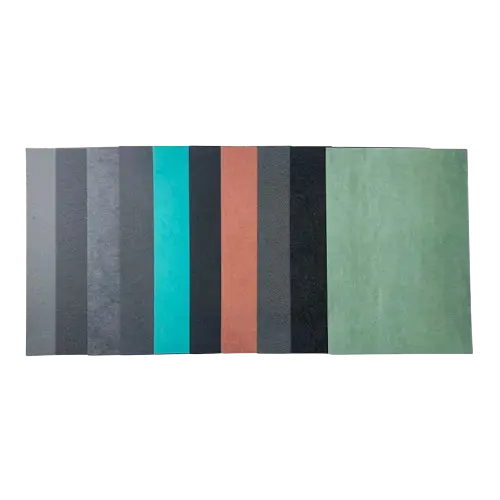
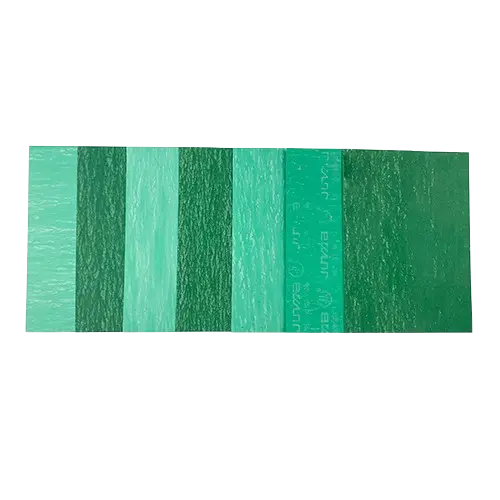
Non Asbestos Gasket Paper
Compressed Non Asbestos Gasket Material
Oil Resistant Gasket Material
Cork Material
High Temp Gasket Material
Composite Gasket Material
Metal Coating Materials
Cost-effictive Gasket Paper E series E01/E02/E03
Expandable Materials Gasket Paper S Series S01/S02/S03
General Gasket Paper G Series G01/G02/G03
High-Performance Gasket Paper H Series H01/H02/H03
Composite Gasket Paper C Series C01/C02/C03
General Compressed Sheet Material 7102/ 7103/7104/7105
High Performance Compressed Sheet Material 7107/7108/7110
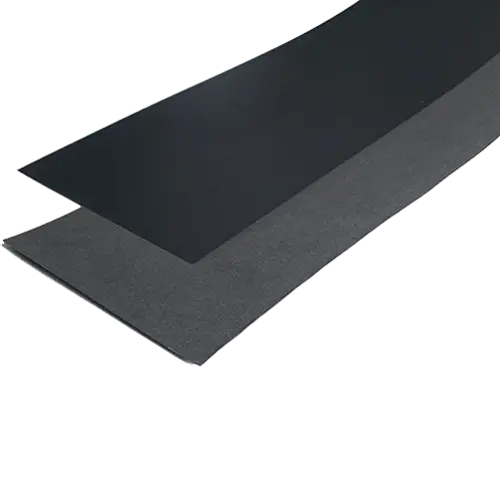
Custom Gasket
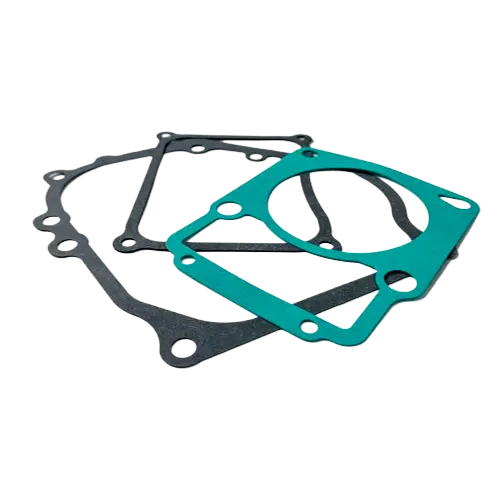
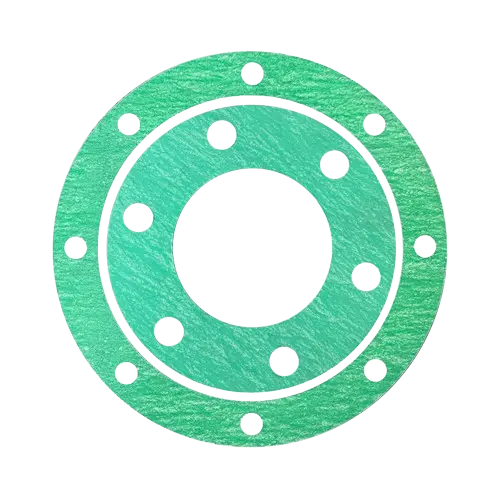
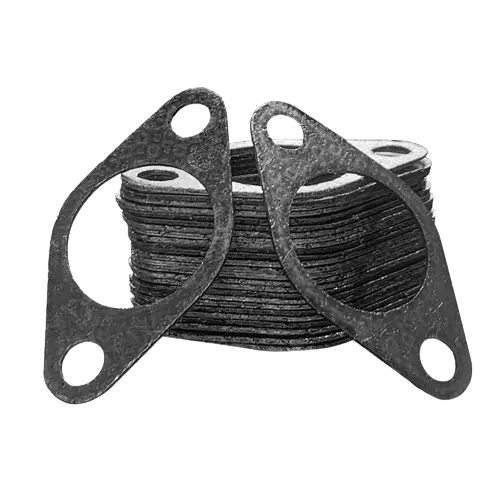
Fiber Gasket
Flange Gasket
Graphite Gasket
High Temp Gasket
Cork Rubber Gasket
Oil Resistant Gasket
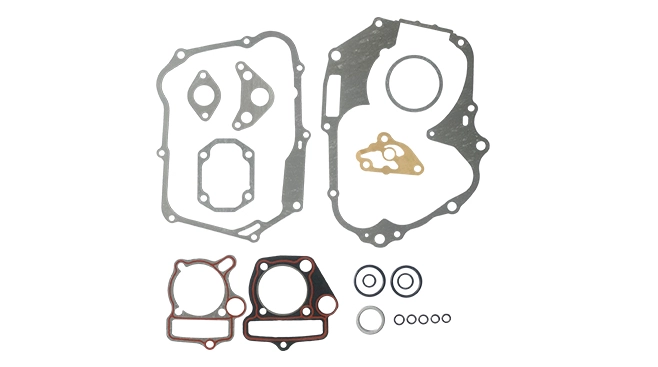
Engine Repair Kit
Compressed Non Asbestos Gasket
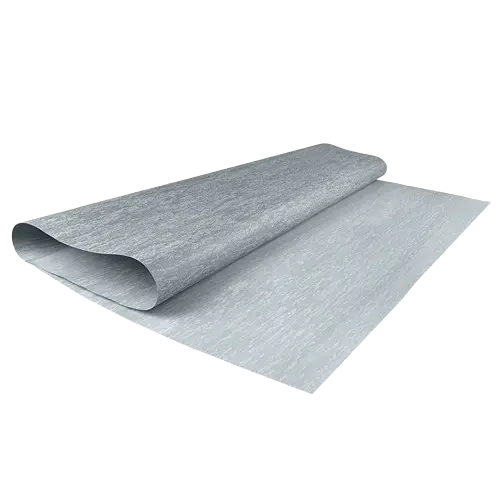
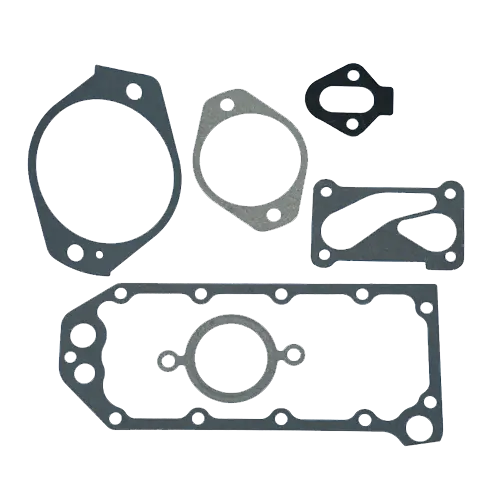
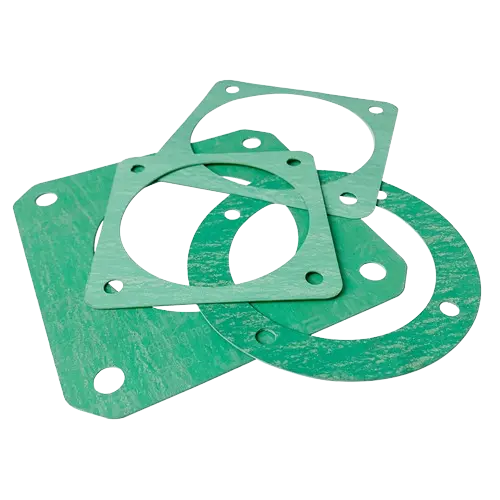
Fiber gasket is produced of non-asbestos fiber gasket material. These gasket materials are produced by the beater-addition process. In general, fiber gasket materials have good oil resistance, stability and flexibility, We offer a variety of materials with varying densities, expansion, and compressibility. The main applications of Fibergasket are automotive, motorcycles, trucks, compressors, general machinery, ship and pump etc.
A flange gasket is a gasket specifically designed to provide a seal between two flange faces, which are used to join pipes, valves, or other equipment together.
These gaskets are typically made from various materials, such as rubber, fiber, or metal, depending on the application and the requirements for sealing, temperature resistance, and chemical compatibility.
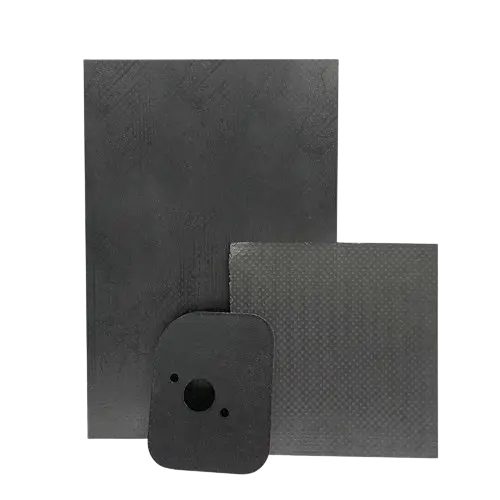
Graphite composite gasket is also named flexible graphite metal reinforced composite gasket or high-strength graphite gasket, is a sealing gasket made of punched metal tanged plate or punched metal core plate, metal mesh and flexible graphite particles. It is usually cut from flexible graphite composite reinforced plate.It is offen used for cylinder head gasket and exhaust gasket.
A high-temperature gasket is a type of gasket specifically designed to withstand elevated temperatures without losing its sealing properties or degrading.
These gaskets are used in applications where there is a need to seal joints or connections that are exposed to high temperatures.
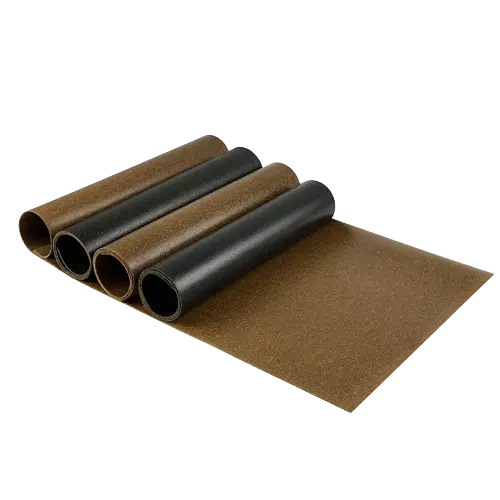
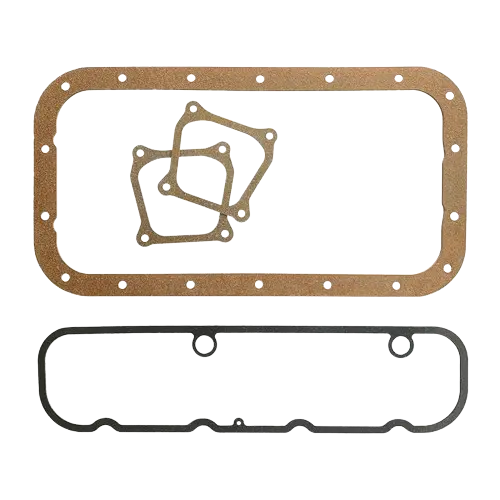
A cork rubber gasket, also known as a cork-rubber composite gasket, is a type of gasket that combines the properties of cork and rubber materials.
It is made by bonding layers of cork and rubber together to create a durable and flexible sealing material.
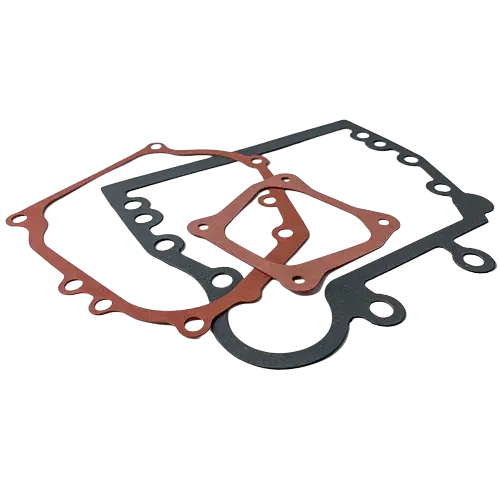
Our oil-resistant gaskets are engineered to withstand the toughest environments where oil and petroleum-based fluids are present Manufactured from premium quality materials.
these gaskets are designed to provide exceptional sealing performance, durability, and resistance against swelling, heat, and chemical wear.
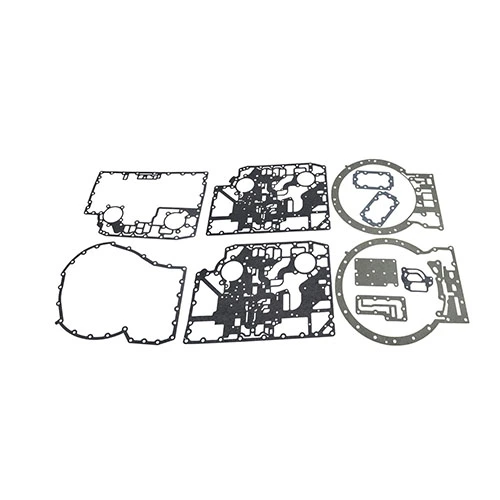
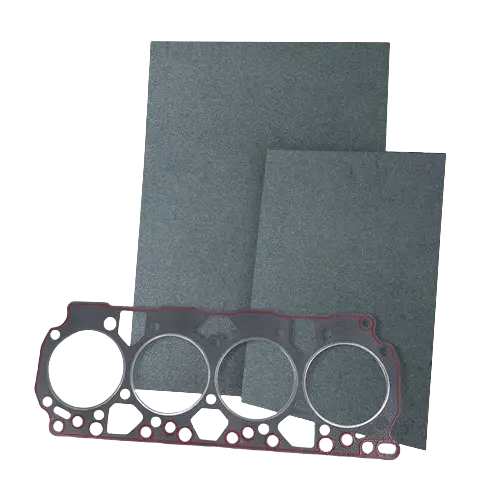
A compressed non-asbestos gasket, also known as CNA gasket, is a type of gasket material that is designed to replace traditional asbestos-based gaskets.
Transmission Material
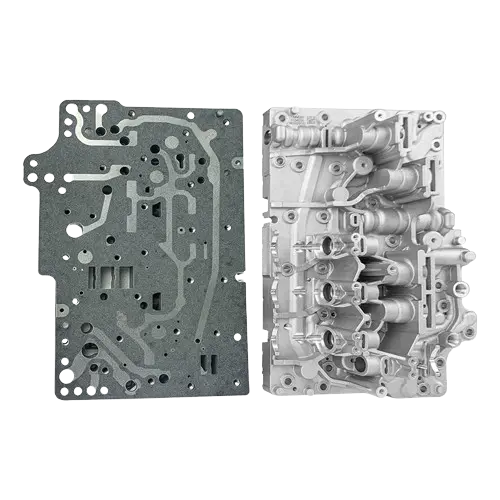
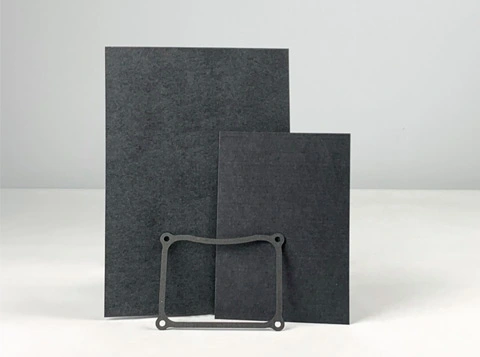
The transmission valve body gasket is a crucial component in the complex system of an automatic transmission. This gasket serves as a seal between the valve body and the transmission casing, ensuring that hydraulic fluid does not leak from the system.
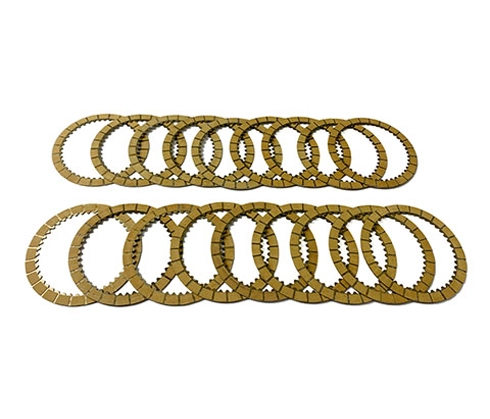
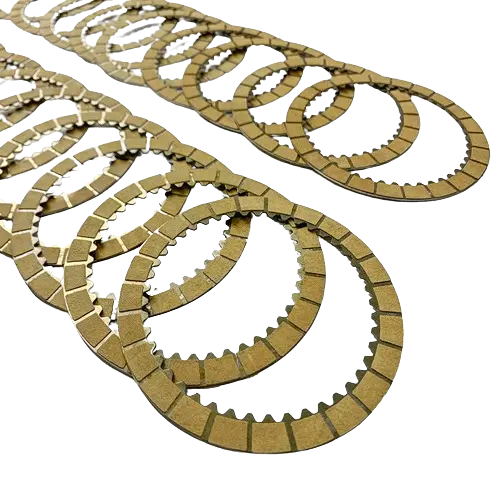
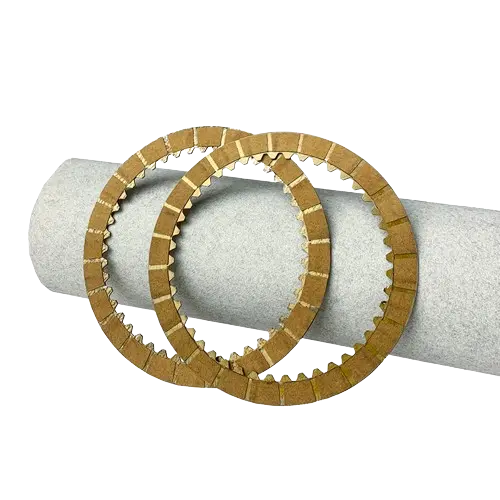
The clutch friction plate, also known as the clutch disc, is a crucial component in the clutch assembly of a manual transmission vehicle. It plays a vital role in the operation of the clutch system, enabling the smooth engagement and disengagement of the engine from the drivetrain.
Blog
How to Choose Compressed Non Asbestos Gasket Material for B2B Sourcing Projects
Compressed Non-Asbestos Gasket Material: A Safer Sealing Solution for Industrial Applications
Optimizing Transmission Performance: The Role of Advanced Transmission Materials
The Ultimate Guide to Custom Gaskets: Optimizing Reliability and ROI in Complex Industrial Systems
The Ultimate Guide to Selecting Industrial Gasket Materials: Enhancing Sealing Integrity and ROI
Advantages of Junma Wet Paper Based Friction Materials
Why Choose an Excellent Sealing Material Supplier
The Universal Standard: Why Model E03 is the “Go-To” Non-Asbestos Sheet for Everyday Sealing
Guardians of agricultural mechanization: The critical role of gaskets
In the production process of asbestos
To ensure the sealing performance of asbestos
The specific application of asbestos
The production process of asbestos
Advantages of Non Asbestos Gasket Paper: A Comprehensive Guide
Asbestos-Free Sealing Materials: A Milestone in Safety and Sustainability
Automotive Spare Parts Sector Thriving with the Advent of Static Sealing Technology
Junma: Specialized in Manufacturing Sealing Materials
The Importance of Choosing the Right Gasket Material
Enhancing Efficiency with Reliable Transmission Material: Exploring Junma's Cutting-Edge Solutions
Enhancing Industrial Safety with Compressed Non Asbestos Gasket Material
Unveiling Junma: Revolutionizing Oil Resistant Gasket Material
Why Choose Composite Gasket Material?
Current Status of Non-Asbestos Gasket Material
Exploring Sealing Components: Oil-Resistant Gaskets
Overview of Non-Asbestos Gasket Application
What is Graphite Composite Sheet and Its Uses
Characteristics, Applications, and Precautions for Using Non-asbestos Gaskets
Importance of Gasket Compliance and Compressibility
Types and characteristics of asbestos-free sealing materials
Application Areas of Asbestos-free Sealing Materials
There are significant differences in the requirements of different cars for gaskets, and these differences are mainly reflected in the following aspects
Asbestos-Free Gaskets vs Conventional Gaskets: Key Advantages
The cost-benefit analysis of asbestos-free gaskets can be considered from the following aspects
How Much Do You Know about the Fiber Gasket?
Introduction to Composite Gaskets
Introduction to Oil Resistant Gaskets and Oil Resistant Gasket Materials
Introduction of Heat Resistant Gaskets and Materials
Advantages of NBR Gasket Material
Selection and Application of Marine Gasket Materials
The Importance of Fuel Resistant Gasket Paper in Industry
Characteristics of Cork Rubber Gasket Material
Compressed Non-Asbestos Fiber Gasket Materials and Characteristics
How to Choose a Suitable Fiber Sealing Material
Tensile Strength of Sealing Materials
Relationship between Gasket Performance and Gasket Material Performance
Asbestos-free Fiber Gaskets
Cost-Effective Sealing: Why the E-Series Non-Asbestos Sheet is the Smart Choice for General Industry
S-Series (S01, S02, S03): Controlled-swell sealing material Non-Asbestos Sheets
Junma High-performance sealing materials for outdoor power equipment
How to Choose Flange Gasket for B2B Sourcing Projects